






Planning a trip to the Pearl of the Antilles in 2026? Cuba is a fascinating destination, but let’s be honest – it’s not for the faint of heart or those with rigid plans. Due to the changing economic situation, information from just a few months ago might be as relevant as last year’s snow! Here is what you need to know when planning your Cuban getaway this year:
1. Visa and documents – say goodbye to paper, hello to e-visa
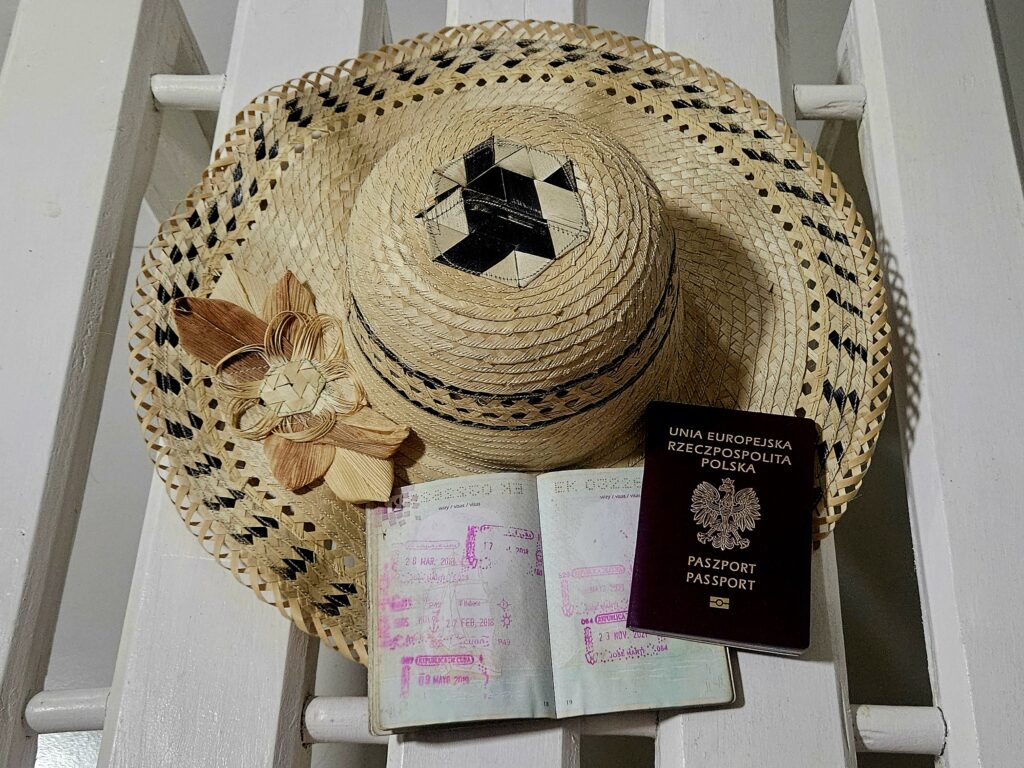
Forget the paper Tourist Cards – they are no longer accepted. Cuba is embracing technology (even if power outages don’t always help!). You must purchase an electronic visa (e-visa) – either through the embassy or „on the spot” from us for 25 EUR. You will receive it as a link linked to the d’Viajeros form, which must be completed no earlier than one week before travel. Once you submit your immigration, customs and health data, the system generates a QR code. Without it, you may be denied boarding!
Additionally, ensure you have a valid passport, travel insurance (mandatory Personal Accident and Medical Expenses coverage), return flight ticket (or proof of onward travel), reservation for your first night’s accommodation (hotel or casa particular).
IMPORTANT! Currently, visiting Cuba disqualifies you from entering the USA under the ESTA program (you will need a physical visa in your passport). Travelers arriving directly from the United States must hold a specific visa and declare a non-tourist category of travel (e.g. support for the Cuban people).
2. Health: vaccinations and „Guerrilla” mosquitoes
While there are no mandatory vaccinations, your body will thank you for the following boosters: Hepatitis A and B, diphtheria, tetanus, polio and typhoid. From May to November high heat, humidity and intense rainfall turn Cuba into a mosquitoes paradise. They aren’t very hospitable – they can carry zika, dengue or Chikungunya. A high-quality repellent (with DEET) is your best friend, second only to your water bottle.
3. Safety and jineteros: how not to become a „tourist sponsor”
Cuba remains one of the safest countries for tourists in Latin America. Armed robberies are rare, but pickpockets are faster than local rumors.
The golden rule: leave your original passport and large amounts of cash in the safe (or a locked, coded suitcase). Head out with a copy of your document and just your „daily allowance” in your pocket. If you lose your passport, you must notify the police and the Embassy in Havana to obtain a temporary document for your return flight.
Don’t fall for the jineteros (hustlers). They are marketing masters who:
- offer street currency exchange – they will likely disappear with your money faster than you can say „Havana Club”;
- promote „exclusive” festivals: be it salsa, rum or cigars, these magically happen every day. 99% of the time, you’ll end up buying backyard moonshine or cigars made of banana leaves;
- pretend to be staff: someone claiming to work at your hotel or casa particular may „invite” you for the best drink in town – only for you to be stuck with a „horror bill”
- obstrusively ask for „donations”: paracetamol, powdered milk or candy, only to resell them on the Cuban „eBay” (black market).
When you hear „my friend” or „where are you from?” – it’s best not to engage.
4. Currency and payments – how not to loose?
Cash is a king in Cuba, but the payment system here is a complex dance. The official currency is the Cuban peso (CUP), but it isn’t accepted everywhere:
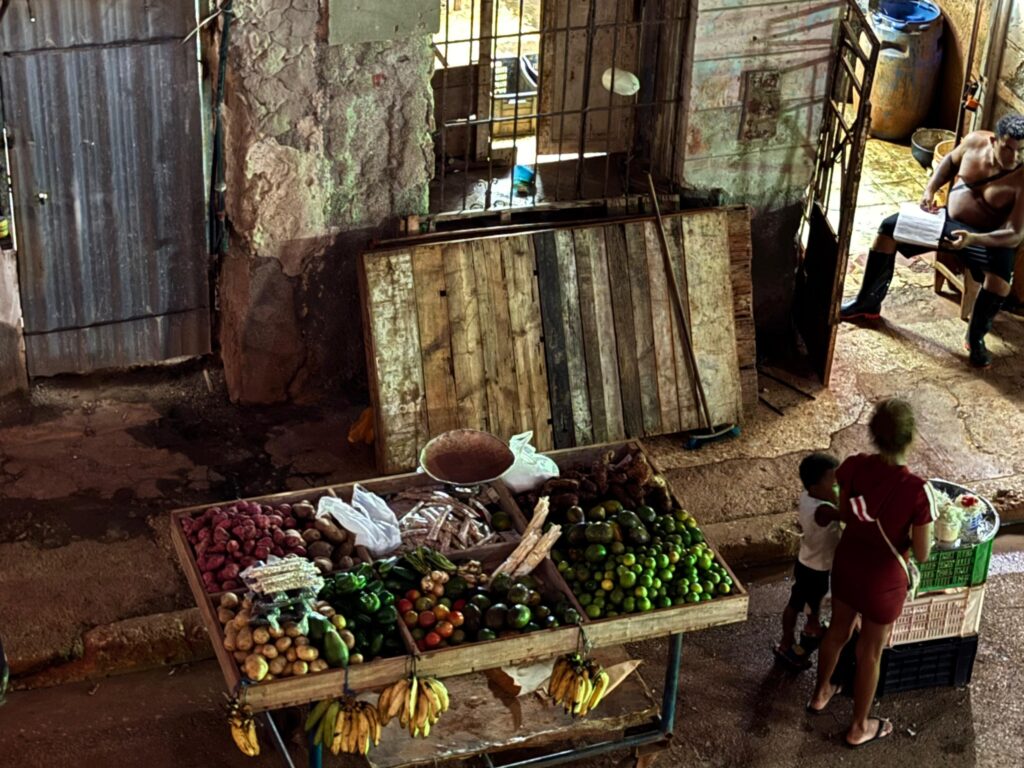
- in pesos you can pay primarily in private grocery stores, local bars and restaurants, markets and for some handicrafts;
- convertible currencies (USD, EUR, CAD, etc.) are accepted for rum and cigars, in „dollar stores” (state-run MLC stores) and by many private entrepreneurs (casas particulares, taxis, restaurants, souvenir shops). Note: many places convert USD to EUR at a 1:1 ratio!
- credit / debit cards (Visa / MasterCard) are useful in state hotels, MLC stores and international clinics (in condition that the power is on and the system is up). Important: Revolut and Wise do not work in Cuba, nor do cards issued by US banks. ATM withdrawals are only in pesos at a very poor rate, so bring plenty of cash!
Contrary to old advice – it is currently best to bring USD – and exchange some of it for pesos. Don’t exchange too much at once, as converting back is nearly impossible. You can exchange money legally at CADECA (state exchange offices) or banks (1 USD = approx. 400 CUP, 1 EUR = approx. 465 CUP), though the informal market offers better rates. Avoid street exchanges – instead, ask your casa particular host, taxi driver or guide for help. Remember, bills must be pristine. A single tear or stain means no one will accept them. Always count your money – locals sometimes „make mistakes” in their own favor.
Bring small denominations (bills only, no coins!), as change is often scarce and small tips are highly appreciated. And most important: bring more cash than you think you’ll need!

5. 2026 prices – how much does this paradise cost?
The days of „cheap Cuba” are gone. Inflation has hit hard, but with smart planning, Cuba is still accessible. Despite low local wages, prices on the island are comparable to Europe:
- lunch at a good private restaurant: 15-45 USD per person;
- espresso or bottled water: 1 USD;
- mojito: 3-7 USD (depending on how „turistic” is the view);
- classic American car ride: approx. 30 USD / hour;
- magnet souvenir: 1-2 USD each;
- authentic shop cigar: 10-120 USD each;
- bottle of rum: from 6 USD to… the price of a small car.
Psst! Our guides know the spots where you’ll pay half of these prices!
6. Packing list (the Cuban pharmacy is a myth)
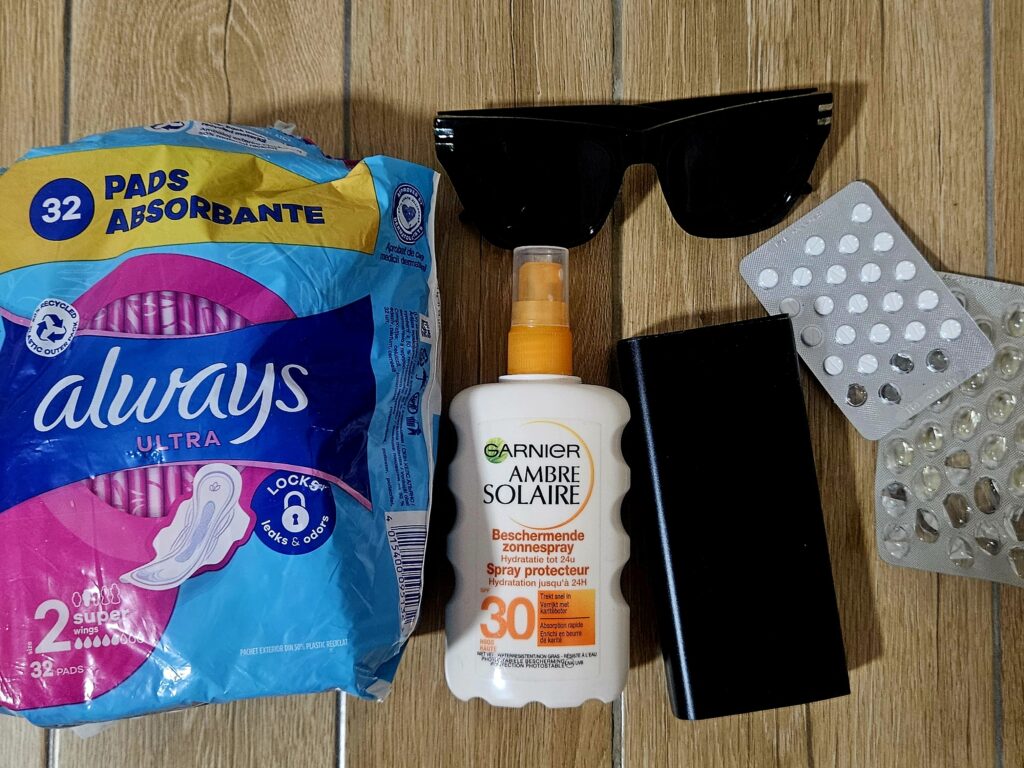
- Medications: bring EVERYTHING. This includes regular prescriptions and „just in case” meds (anti-diarrheal, fever / cold meds, painkillers, antibiotics and disinfectants). Local pharmacy shelves are mostly empty.
- Toiletries: high-SPF sunscreen (the sun is brutal), UV-filter sunglasses, a hat, wet wipes, hand sanitizer and feminine hygiene products.
- Filtered water bottle: locals drink tap water, but for visitors that is the fastest way to meet a Cuban doctor.
- Electronics: American type adapters (flat prongs, US-style), power banks and flashlights (essential for apagones – power outages).
7. Customs: what NOT to bring?
When flying to Cuba, you must complete an online customs declaration. To avoid trouble don’t bring with you: drones, GPS devices and e-cigarettes (they will be seized and held in a paid deposit at the airport). Vegetables, fruits and seeds are prohibited, as well as drugs (penalties are severe; a night in jail costs 40 USD – making it the worst hotel on earth). It’s not permited to import electronics, clothes, cosmetics and other items in quantities indicating their commercial nature.
8. Accommodation in Cuba: hotel or casa particular?
Hotels have star ratings, but besides the high prices, they often shine less brightly than in Europe. If you want an authentic vibe and the best breakfast of your life, choose casas particulares (private guesthouses marked with a blue anchor sign). It’s a great way to support local families and see the „real” Cuba.

9. Transport: getting around the island
- Car rental: expensive (from 70 USD / day) and complicated (fuel shortages, poor roads).
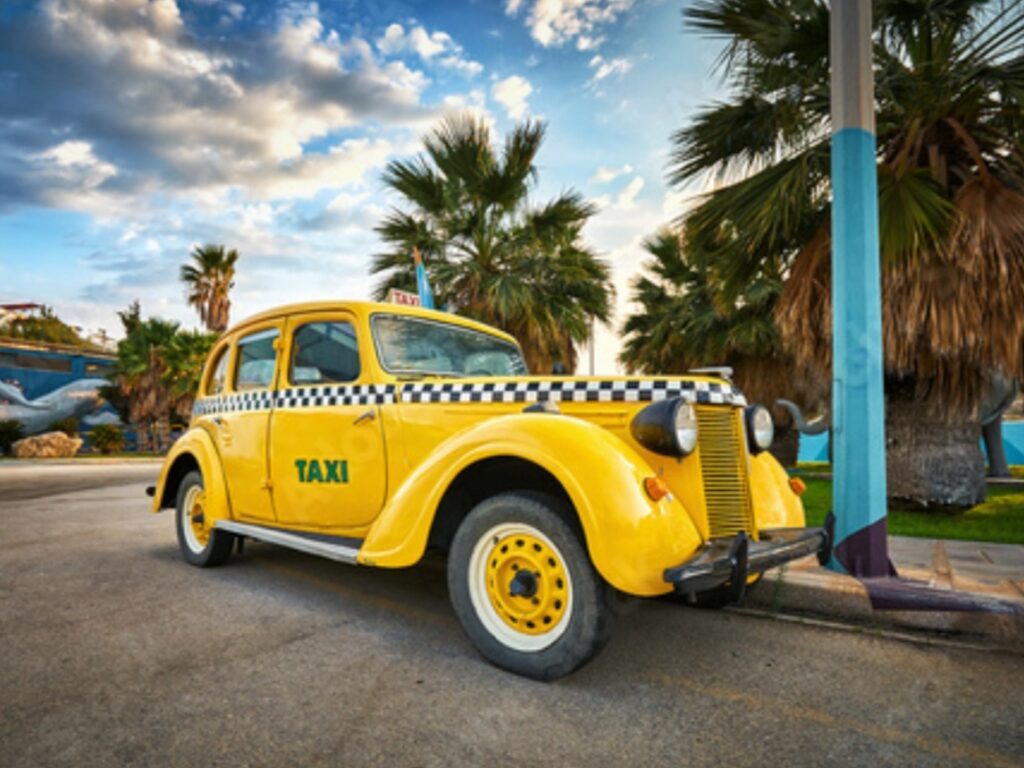
- Taxis: yellow state Cubataxi or private classic American cars (always agree on the price before starting!).
- Víazul: intercity buses for tourists. Economic, but requires online booking and a flexible schedule.
- Colectivos: „door-to-door” shared taxis. Adventure and new friends guaranteed (pre-booking is advised).
10. Internet: is there life offline?
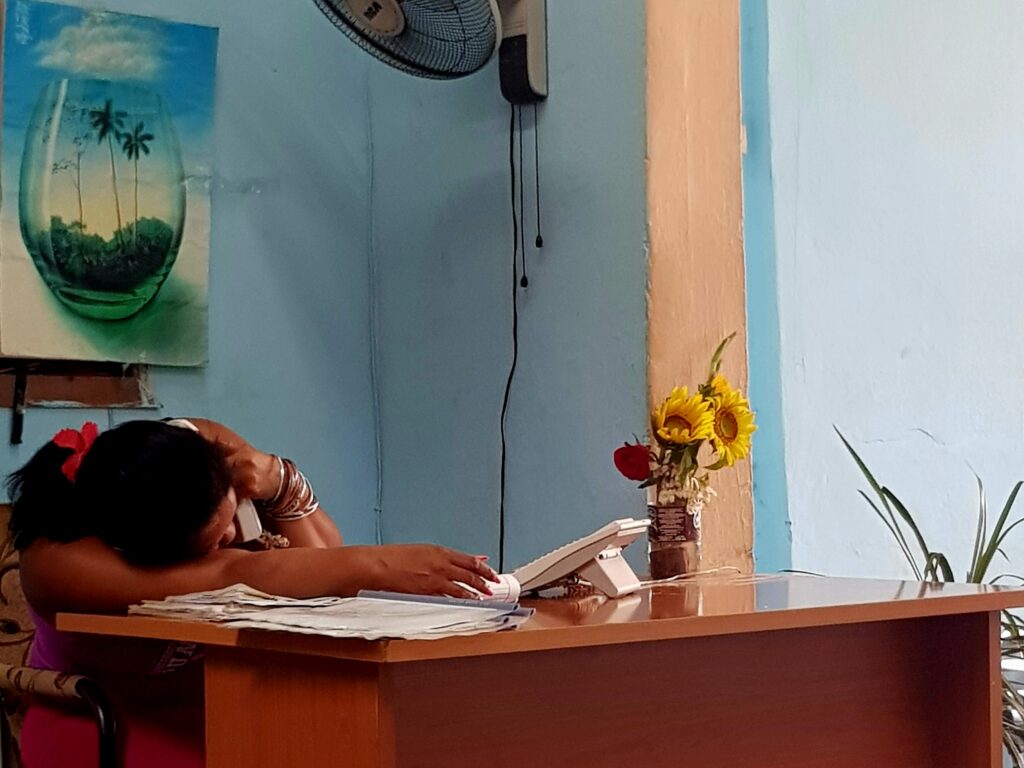
There is only one network – Cubacel. Internet in Cuba exists but is temperamental. You can buy a SIM card online (approx. 35 USD for 10 GB) and pick it up at the airport upon arrival. Wi-Fi is available in hotels, casas particulares and some public squares (just look for the crowds staring at their phones!).
Find more info at www.cuba4u.pl. Have questions? Or perhaps you want us to plan your trip from A to Z, avoiding all the „traps”? Contact us! We know Cuba like the back of our hand.
CONTACT AND BOOKINGS
Anna Jesionczak
Maciej Lopez
E-mail address:
2018-2025 HAVanna4U – Tourist Services Anna Jesionczak || All rights reserved. Reproduction and distribution without permission of the Authors prohibited.


